artist in the neighborhood
launched in 2018, artist in the neighborhood is a partnership between rua das gaivotas 6 / teatro praga, teatro cão solteiro, and plataforma285. the project aims to increase the visibility of emerging artists as well as the cultural activity developed by these three structures within their surrounding neighborhood. over a one-month artistic residency, the selected artist is invited to create or further develop a project of their choice, which is then presented at rua das gaivotas 6.
neighborhood expansion
october 12th at cão solteiro · residências 120
being in the neighborhood — in this case, the parish of misericórdia, in lisbon — also means thinking about what lies beyond it: what is missing, what contrasts with daily life, what could shift or be transformed. in this session, three projects working in different regions from north to south of the country, gathered in the neighborhood to share experiences, practices, and ways of imagining. an expansion of the neighborhood without ever leaving it.
carreiros para futuros ancestrais — a project by magda henriques and alastair luke, based in carreiros (paredes de coura, alto minho), fostering micro-democratic actions through artistic and cultural practices.
casa do terreiro / o homem que guardava as águas — a sound and visual investigation led by susana guardado and collaborators, centered on the pranto river valley (baixo mondego) and its surrounding parishes, grounded in its vast natural, cultural, and immaterial heritage.
escola provisória para nada — based in sabóia (odemira), this non-productive and transitional school is dedicated to the creative use of leisure and to artistic-performative experimentation. envisioned by sara vaz and marco ballesteros, it proposes a school as a space for retreat, resistance, and collective creation.
artist’s menu
october 20th at rua das gaivotas 6
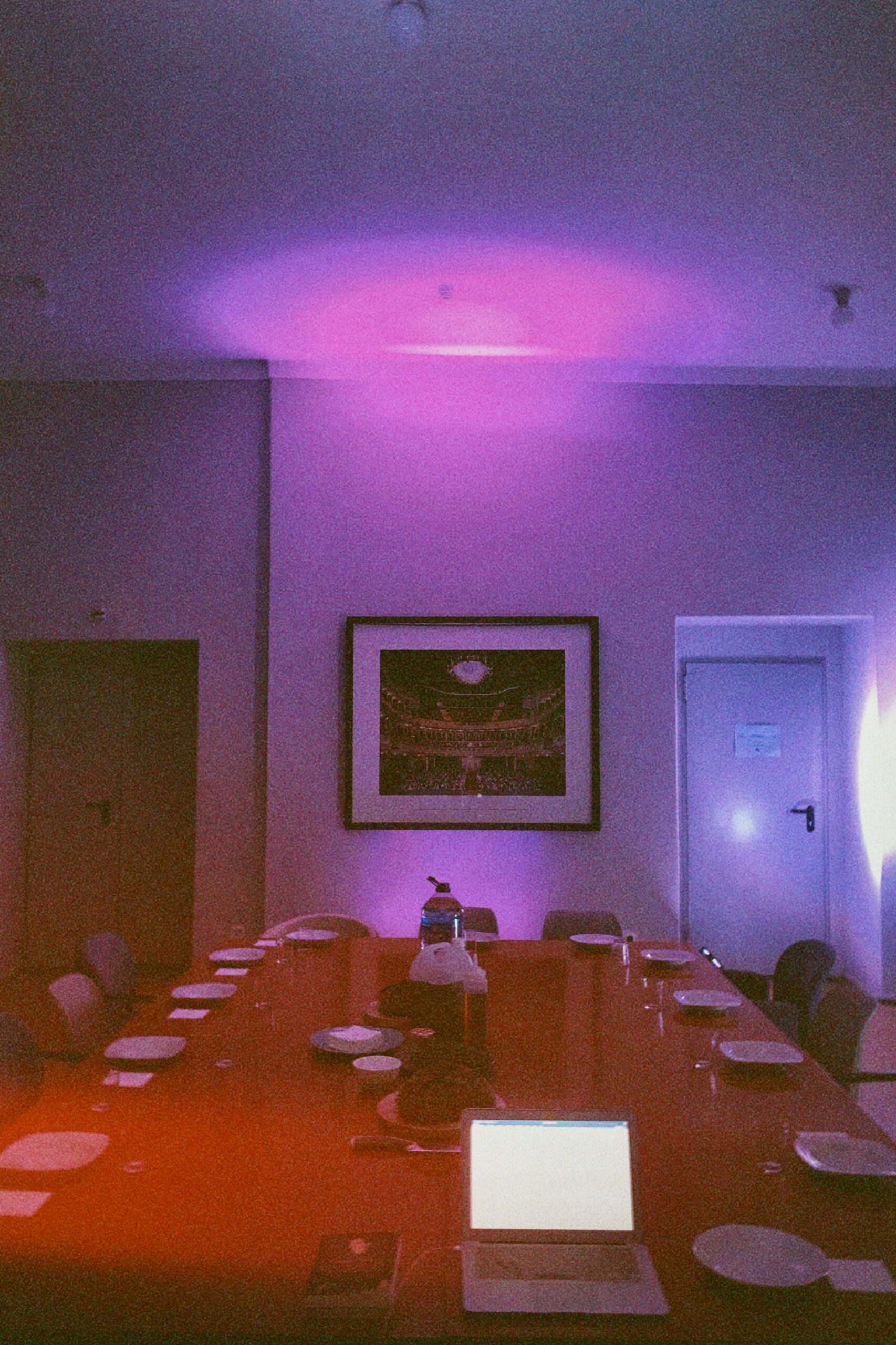
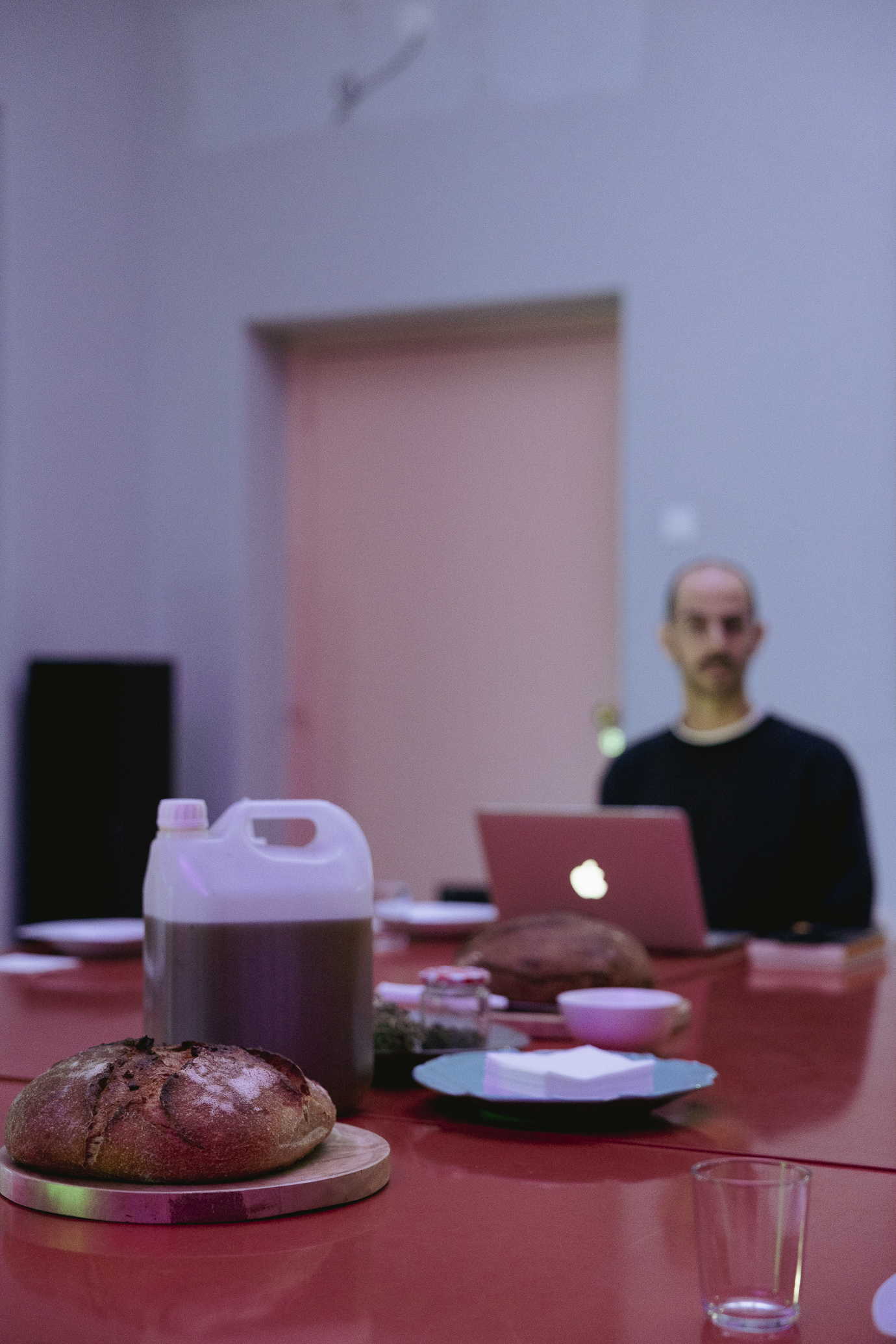
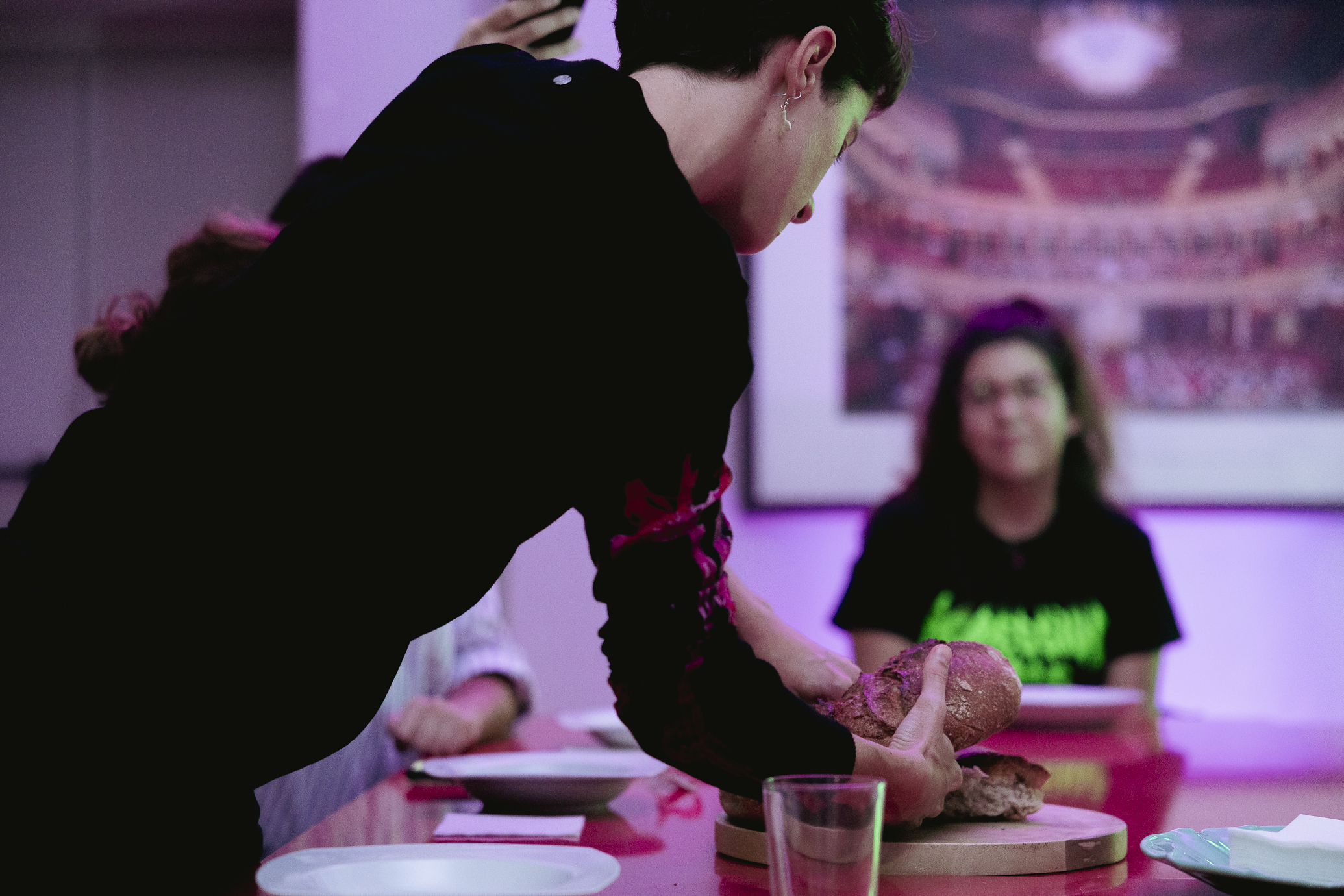
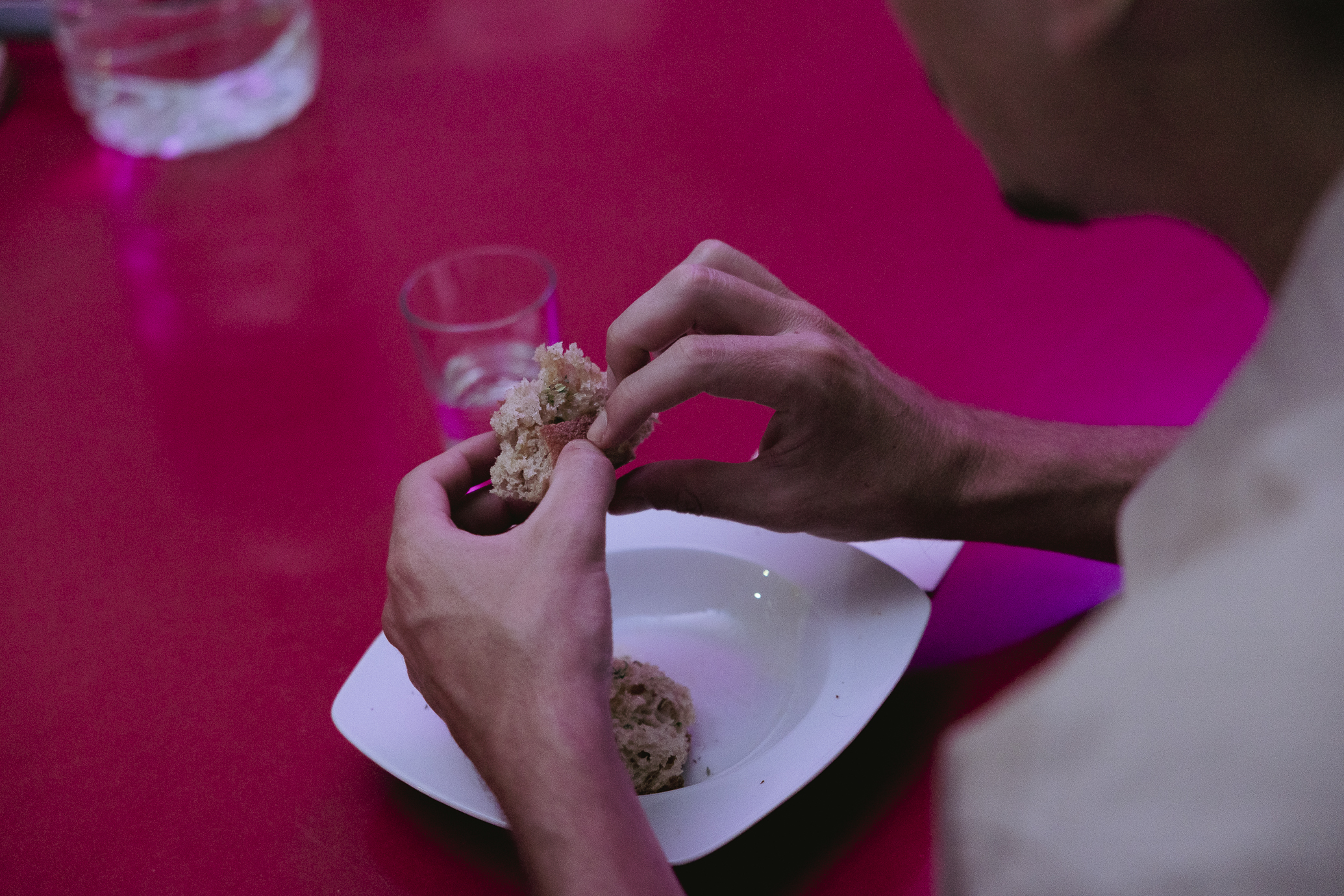
for artist’s menu, rua das gaivotas 6 invites artists to lead an open session centered on their favorite dish. bonneville approached this invitation through hermits cookbook: monks, food and fasting in the middle ages by andrew jotischky — conducting a brief exploration of the diets of early christian monks and hermits, and of how what they ate was intimately tied to their spiritual lives. the history of monasticism is defined by the renunciation of worldly comforts and the belief that virtue is achieved through such renunciation. among these comforts, food and drink were the most obvious. ascetics knew that eating and drinking were necessary, but believed that virtue lay in treating them strictly as a necessity, never as sources of pleasure. the shared meal consisted of slow-fermented artisanal bread, salt, olive oil, oregano, and spring water from fonte de lima.
listening session
november 1st at rua das gaivotas 6
over the course of four hours, the audience was invited to immerse themselves in soundscapes inspired by bonneville’s multidisciplinary research for animals landscapes and saints. this proposal required silence: no speaking, no mobile phones, no electronic devices. only listening.
sharing of materials
november 6th at rua das gaivotas 6
an informal sharing of the materials developed during the artist in the neighborhood residency, within the framework of animals landscapes and saints. bonneville presented a text titled the hermit’s neurotic hour — a reflection on their research and time during the residency.
neighborhood expansion
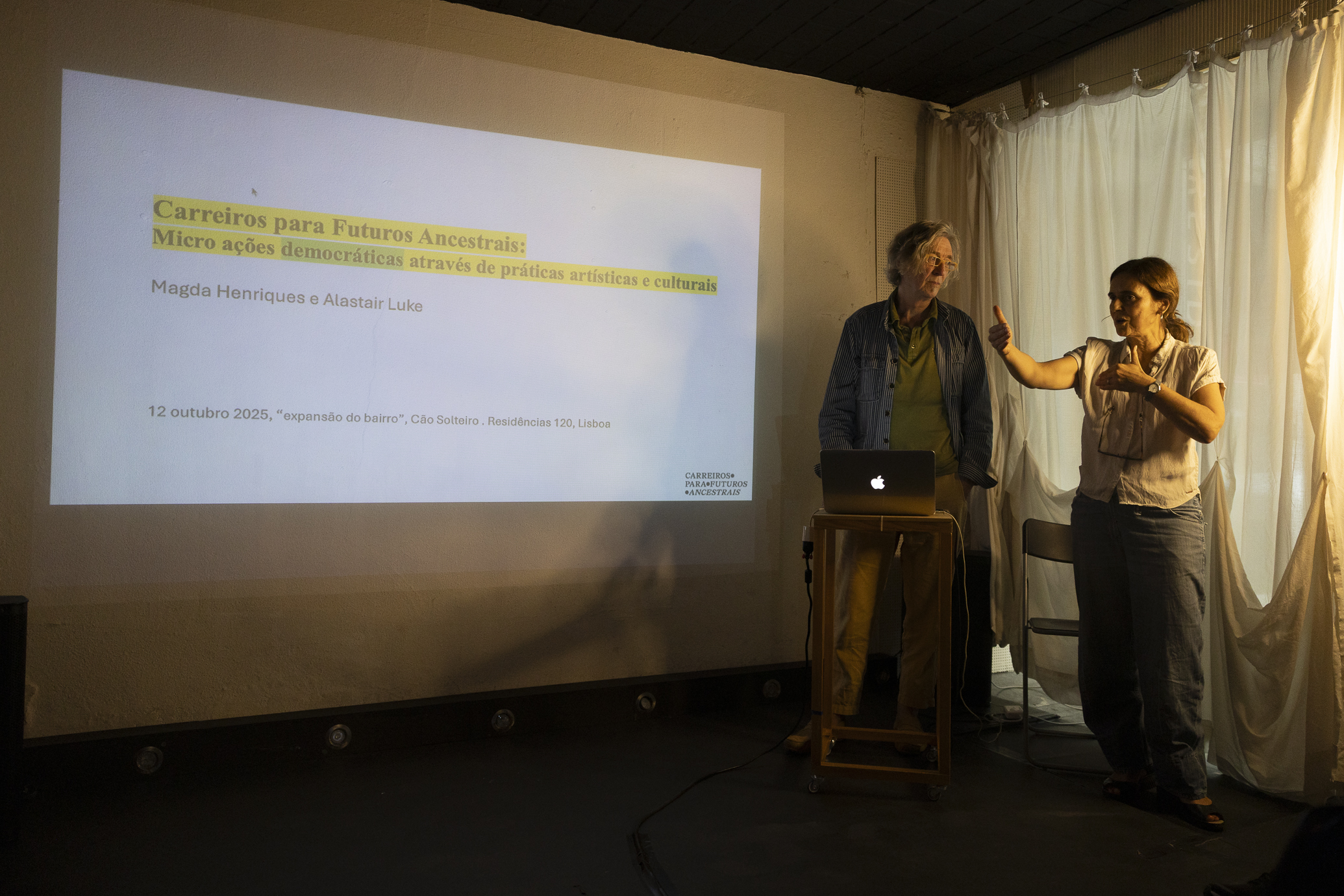
alastair luke & magda henriques © alípio padilha
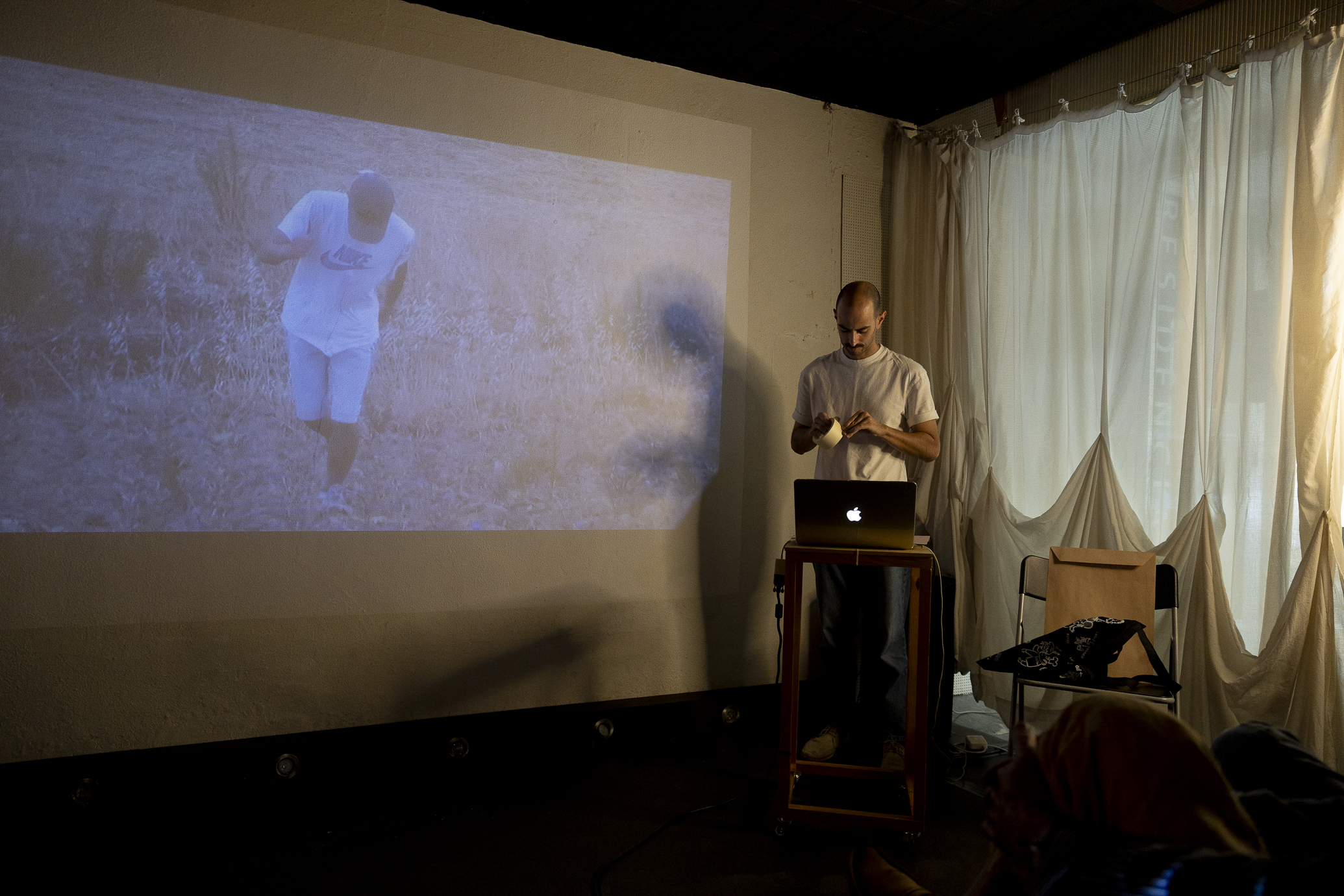
following a set of instructions by sara vaz and marcos ballesteros, mb executes a performative action, accompanied by a projected video from the 2022 edition of escola provisória para nada, created by sara graça ©alípio padilha
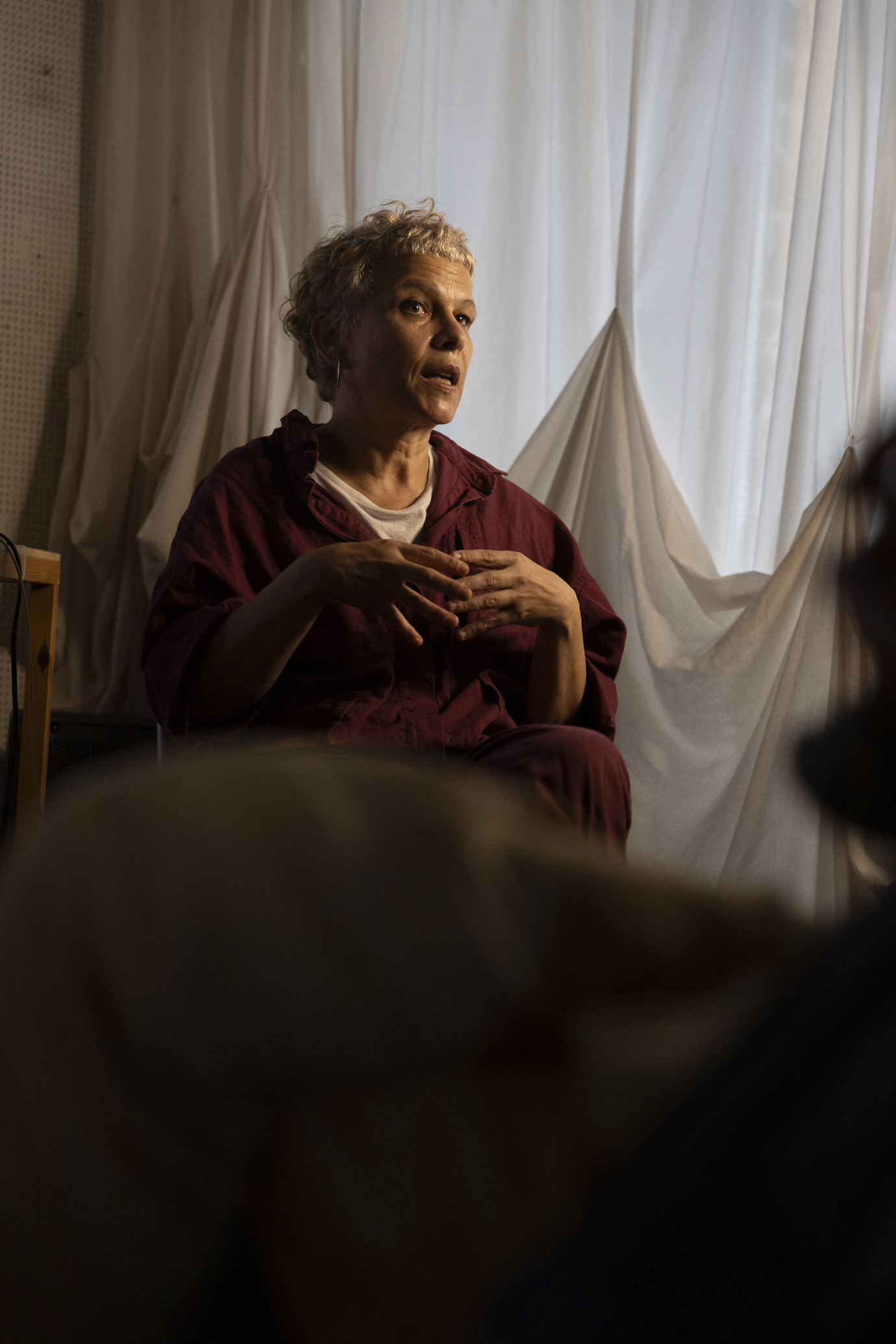
susana guardado © alípio padilha
artist’s menu
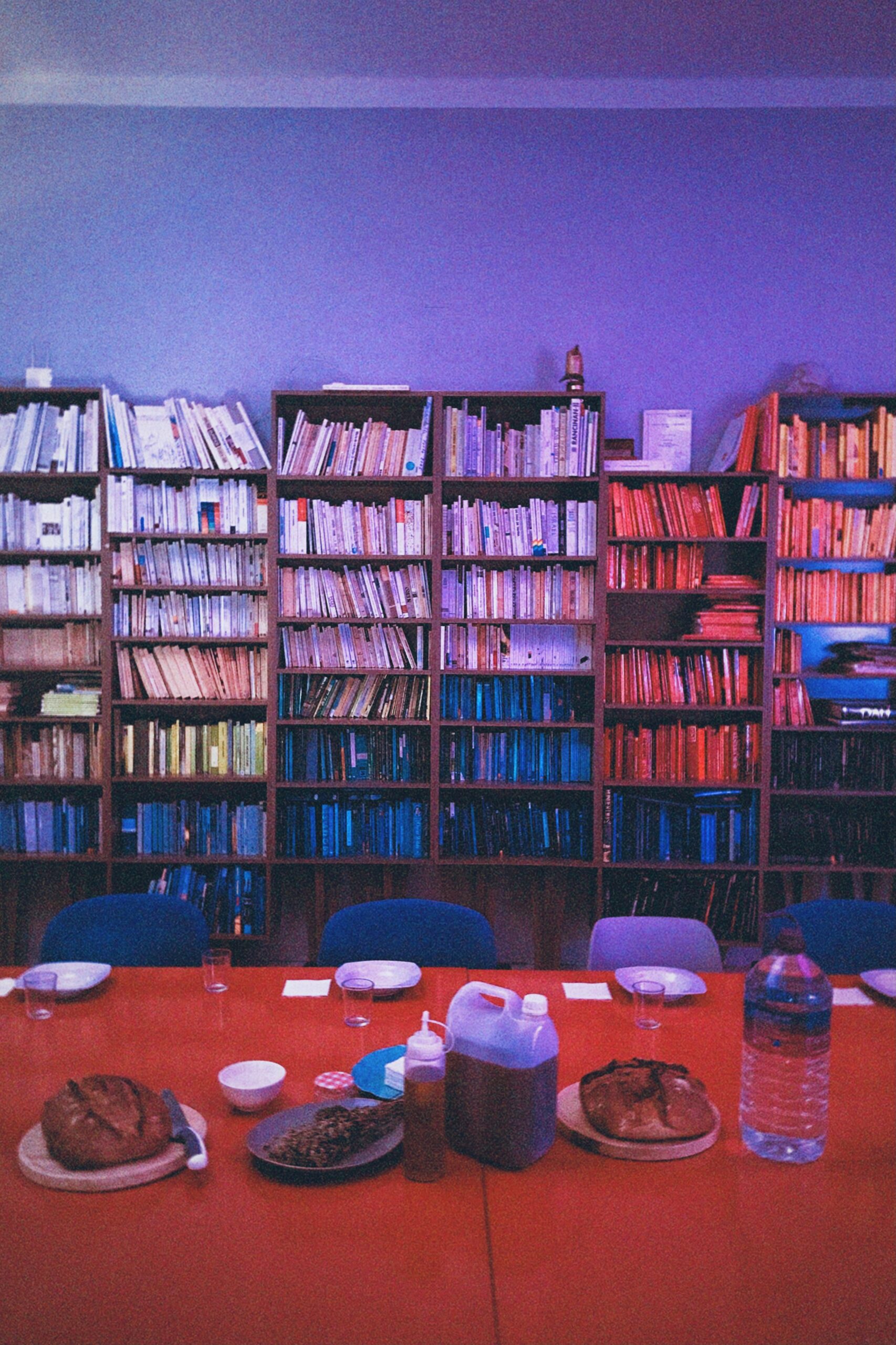
©mbonneville
©mbonneville
© alípio padilha
© alípio padilha
©alipio padilha
listening session
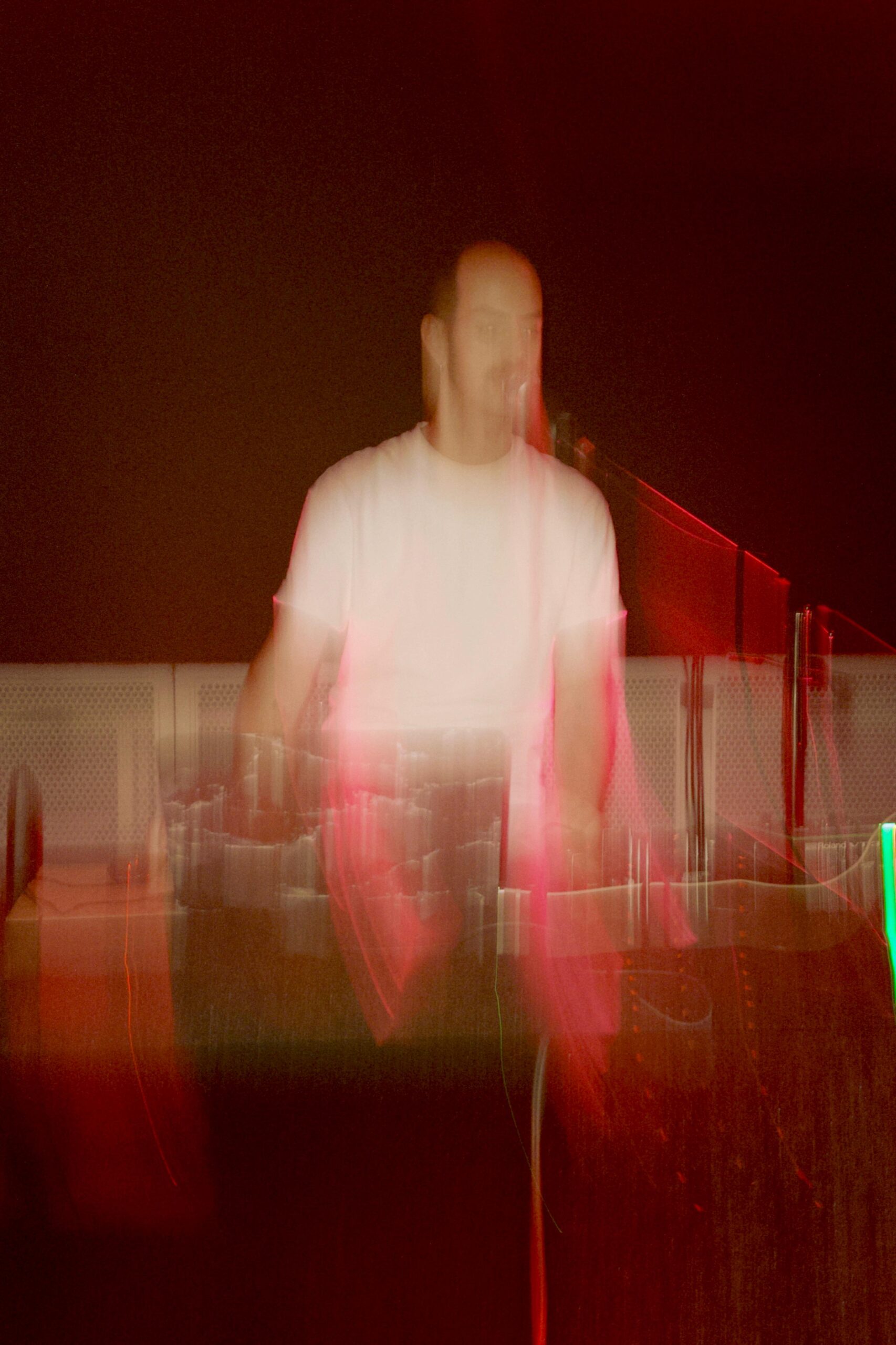
©joana linda
sharing of materials
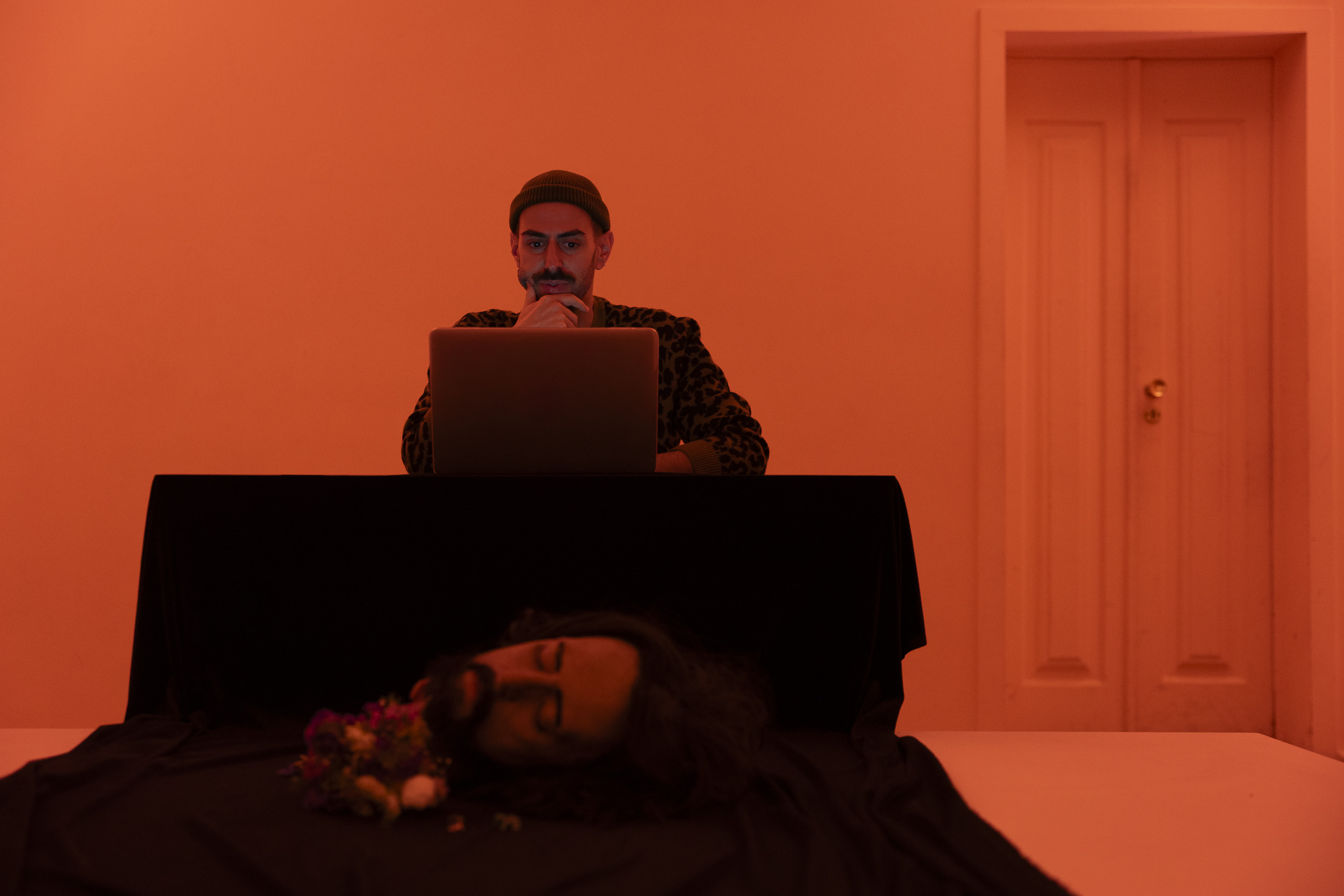
©alípio padilha
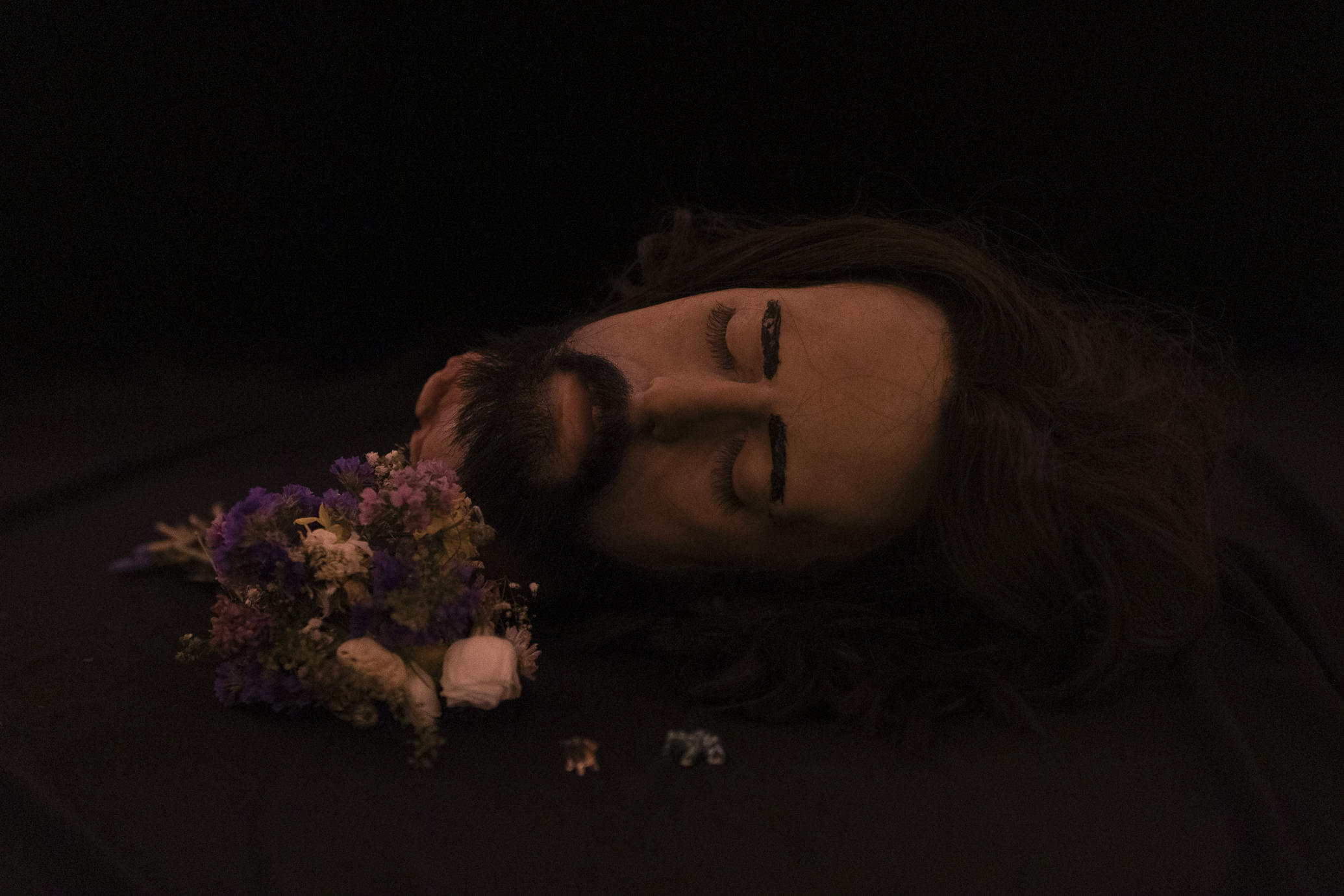
©alípio padilha
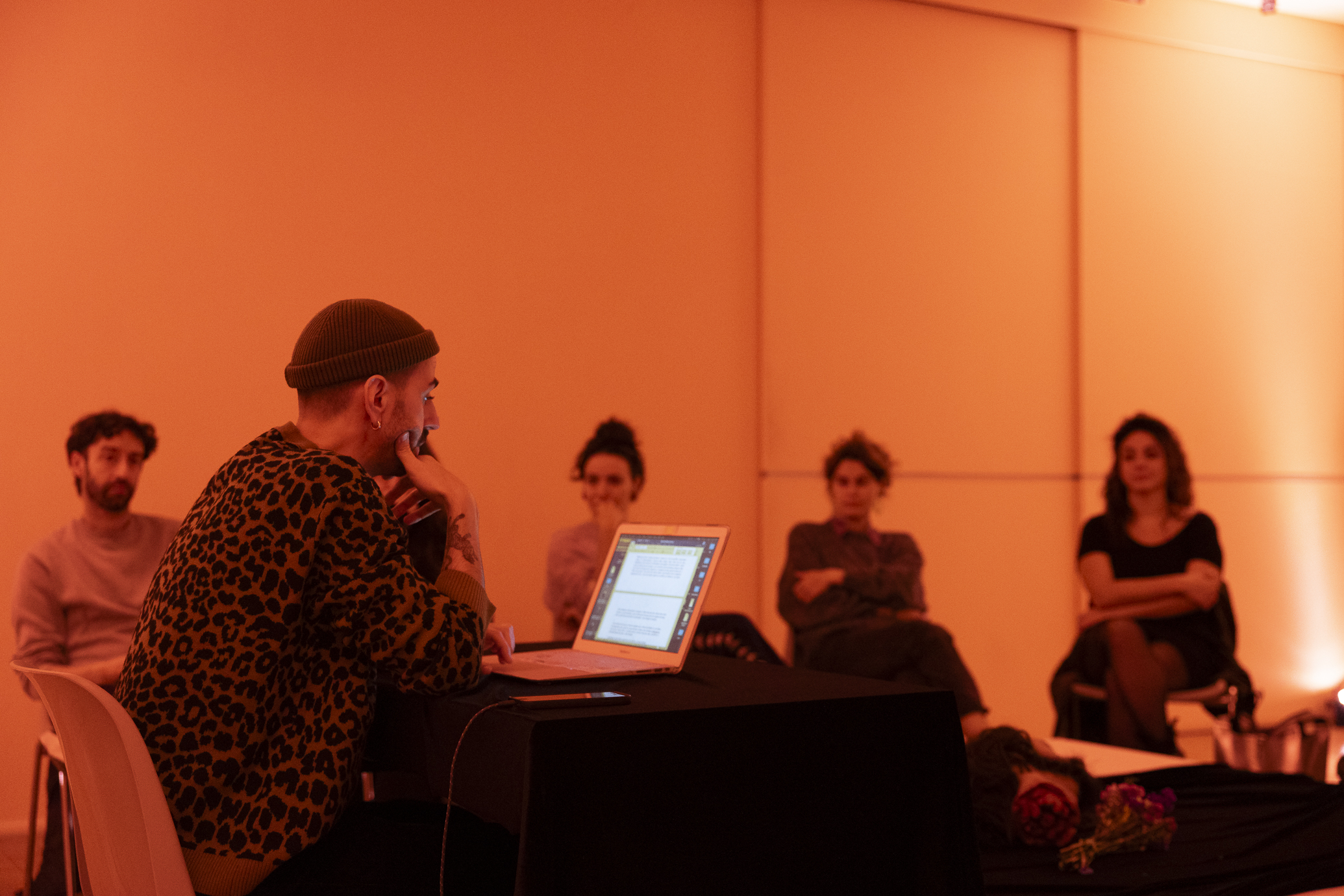
©alípio padilha